How Restored Lofts, Industrial Landmarks and Thoughtful Reinvention Have Contributed to Tribeca's Enduring Appeal
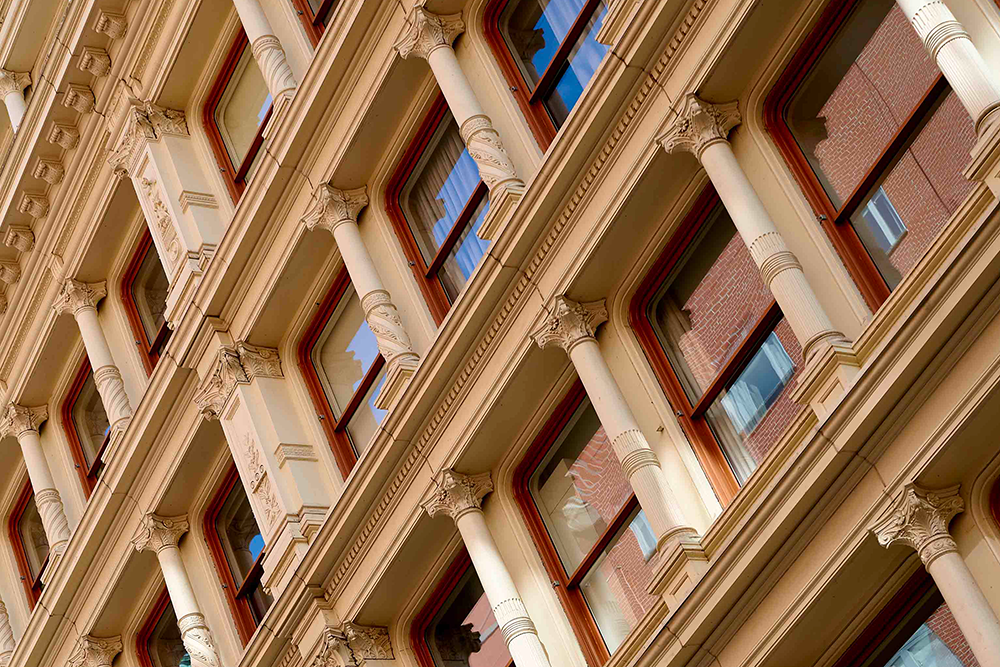
Tribeca's identity is deeply tied to its architecture. Much of the neighborhood was built in the late 19th and early 20th centuries, when the area functioned as a center for shipping, warehousing and manufacturing. The wide streets, cast-iron facades, oversized windows and large-scale loft buildings that define Tribeca today were originally designed for industry and commerce rather than residential life.
As manufacturing activity declined in the mid-20th century, many of those industrial buildings were left partially vacant. Artists and early downtown residents began converting former warehouses and commercial lofts into hybrid live/work spaces, drawn to the open floor plans, high ceilings and lower rents. Over time, those conversions helped establish the creative and individualistic identity that still defines Tribeca today.
This history remains visible throughout the neighborhood. Streets like North Moore, Harrison, Franklin and Duane continue to showcase original architectural details like loading docks, masonry facades, steel fire escapes and expansive loft windows,while newer residential and retail spaces have been layered in thoughtfully over time.
One of the many things that makes Tribeca distinct is that the neighborhood never feels overly preserved or overly polished. Historic industrial buildings coexist with contemporary interiors, galleries, restaurants and design studios in a way that feels organic rather than staged. Creativity here isn't confined to a single block or institution— it's built into the structure of the neighborhood itself.
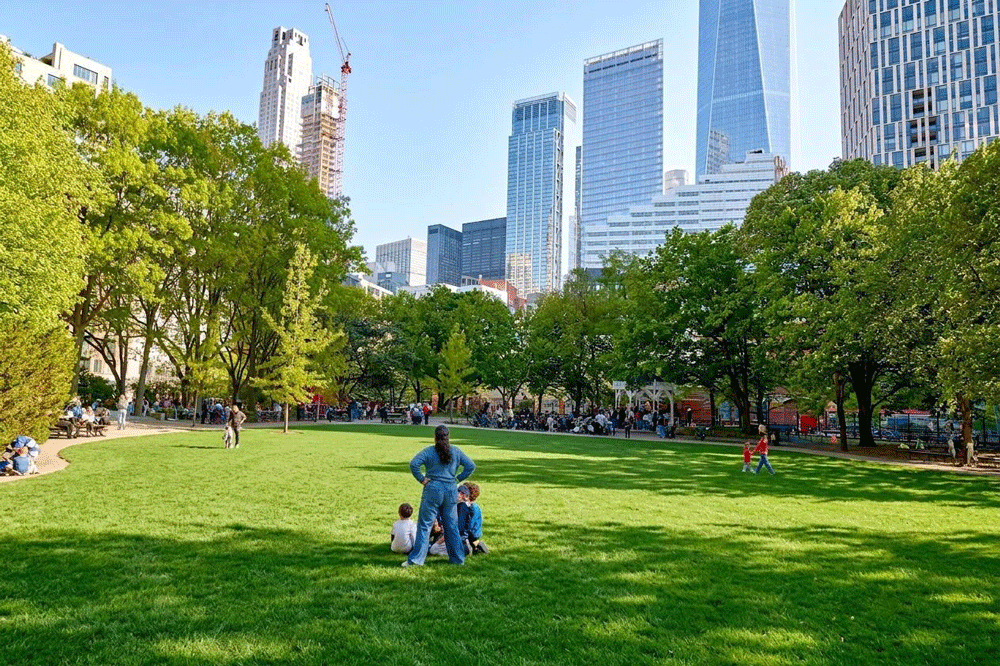
Today, that mix of architecture, design and adaptive reuse continues to shape Tribeca's character. The same buildings that once supported manufacturing and trade now house boutiques, homes, restaurants and creative studios, giving the neighborhood a sense of continuity that feels increasingly rare in New York City.
Part of what makes Tribeca so special is that balance of established and new — not only in its architecture and retail landscape, but in the people who live here. Longtime residents helped build the community into what it is today, while newer residents are adding to its next chapter in their own way. The result is a neighborhood that feels historic without being static, polished without losing its local texture, and deeply rooted even as it continues to evolve.
Explore Living at IP Collection
IP Collection offers access to the best of Tribeca: residential comfort, downtown convenience and a neighborhood that supports daily life at every stage. Explore available residences or schedule a tour to experience life at The Guide, The Helm and The North.